Kava Bars Are Finding Their Way Into Smaller Downtowns
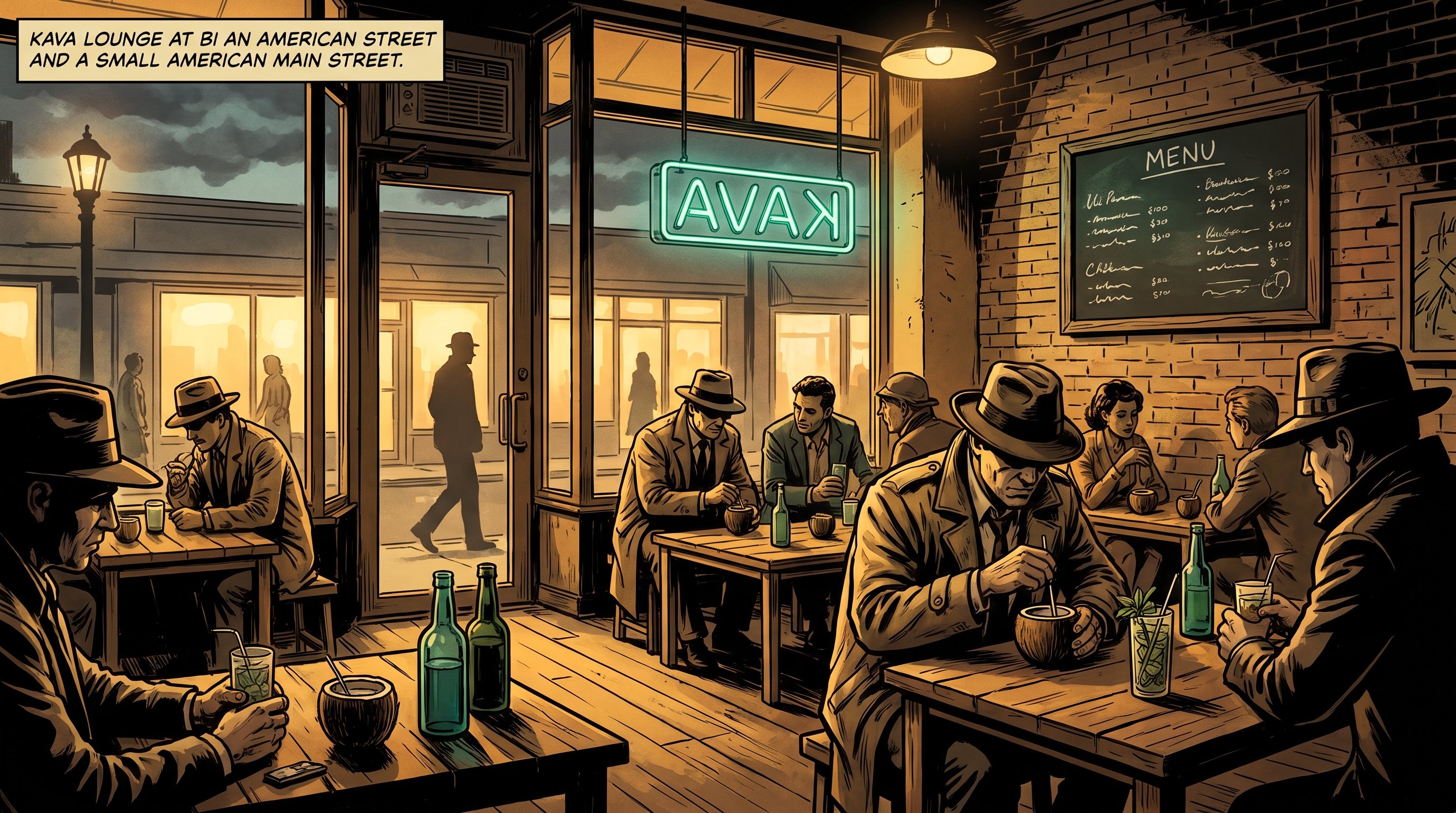
For a long time, the easiest way to explain kava bars in America was as a coastal weirdness story.
Florida had them. A few bigger cities had them. Maybe a college town with the right kind of wellness-and-nightlife overlap could sustain one.
But the recent run of local coverage I have been seeing makes the scene look a little different. What stands out is not just that more kava bars are opening. It is where they are opening, and how local outlets are choosing to frame them.
The new story is not “look at this exotic novelty.” It is “here is a downtown trying to create a softer place to gather.”
The Geography Is the Headline Now
Look at the spread.
New Times San Luis Obispo covered Lumin Earth Apothecary as San Luis Obispo County’s first kava bar. Greater Fayetteville Business Journal just ran a piece on BLVD Kava Lounge in Fayetteville built around community. ThurstonTalk described Olympia’s Bula Bar in terms of non-alcoholic connection. And 352today pitched Oxford’s Kavana Kava Bar Central with the plainest possible appeal: a chill spot to unwind without booze.
Those are not all the same kind of place, but they do suggest the same shift. Kava is no longer only trying to prove itself in the loudest nightlife markets. It is moving into smaller downtowns, regional hubs, and community-oriented corridors where the need is less about trendiness and more about social usefulness.
That feels important.
A lot of smaller cities have the same structural problem as larger ones: plenty of places to drink, plenty of places to grab coffee, and not enough places built for hanging out after dark without alcohol doing all the heavy lifting. If a kava bar can become a steady answer to that problem, it stops being a niche product story and starts becoming civic texture.
These Stories Keep Using the Language of Belonging
What I like about this recent batch of coverage is how little of it leans on mystique.
The Fayetteville piece is framed around community-building. The Olympia story centers connection. The Oxford headline is practically an anti-hard-sell pitch. Even the San Luis Obispo County coverage matters partly because “the first one here” only becomes news when editors think local readers can imagine why the category might belong in town.
That is a healthier framing than the old kava-bar tendency to hide behind vague counterculture aesthetics.
If the category wants to grow, it has to become legible to normal people. Not everybody is going to care about the romance of roots and shells on first contact. A lot of people just want to know whether the place is comfortable, whether it stays open later than a cafe, whether they can talk there, whether they can show up sober, and whether it feels less lonely than going home and doomscrolling.
Smaller downtowns may actually be a better fit for that pitch than major-party cities are.
The Best Version of the Trend Is Practical, Not Performative
I do not think every kava opening is automatically a cultural breakthrough. Some will feel gimmicky. Some will overestimate demand. Some will confuse “alternative” with “unwelcoming.” And the broader North Carolina trend piece from WRAL is a useful reminder that more public visibility should come with more public understanding and better research too.
Still, the promising part is that the strongest local stories are not describing kava bars as anti-establishment temples. They are describing them like useful pieces of local social infrastructure.
That might mean a relaxed downtown lounge in Olympia. It might mean a first-of-its-kind opening in San Luis Obispo County. It might mean a place in Oxford where the whole pitch is simply that you can unwind without alcohol. It might mean a Fayetteville venue trying to make community feel less abstract and more like something you can walk into on a weeknight.
That is the grown-up version of the kava scene.
Not mythology. Not novelty. Not “you have to get the vibe” gatekeeping.
Just a real place, in a real town, where people can gather without booze being the center of gravity.
I Think That Is Where the Category Gets Durable
If kava bars are going to last outside the obvious hotspot markets, this is probably how.
Not by chasing maximum weirdness, but by becoming dependable. Clear menus. Comfortable rooms. Late enough hours. Friendly staff. Events that feel optional instead of compulsory. A tone that invites curious newcomers instead of making them feel like they walked into somebody else’s secret club.
That is why this wave of smaller-downtown coverage catches my attention. It suggests the category may be getting better at answering the question every new social space eventually has to answer: what is this for?
And the best emerging answer seems refreshingly simple. It is for unwinding. It is for hanging out. It is for people who want company without alcohol. It is for towns that need one more place to be human in public.
If a kava bar opened in your downtown, would you want it to feel more like a lounge, a late-night cafe, or a community living room?
Got thoughts? Hit me up on Bluesky.
Sources:
- Lumin Earth Apothecary opens San Luis Obispo County’s first kava bar - New Times San Luis Obispo
- Rooted in relaxation: How BLVD Kava Lounge is building community in Fayetteville - Greater Fayetteville Business Journal
- Bula Bar Brings Kava Culture and Non-Alcoholic Connection to Olympia - ThurstonTalk
- Looking for a Chill Spot in Oxford to Unwind Without the Booze? Meet Kavana Kava Bar Central - 352today
- A new buzz: Kava pops up around NC and why experts say there needs to be more research - WRAL