Them Coulee Boys: Camp Counselors Who Turned Chrysalis into Catharsis
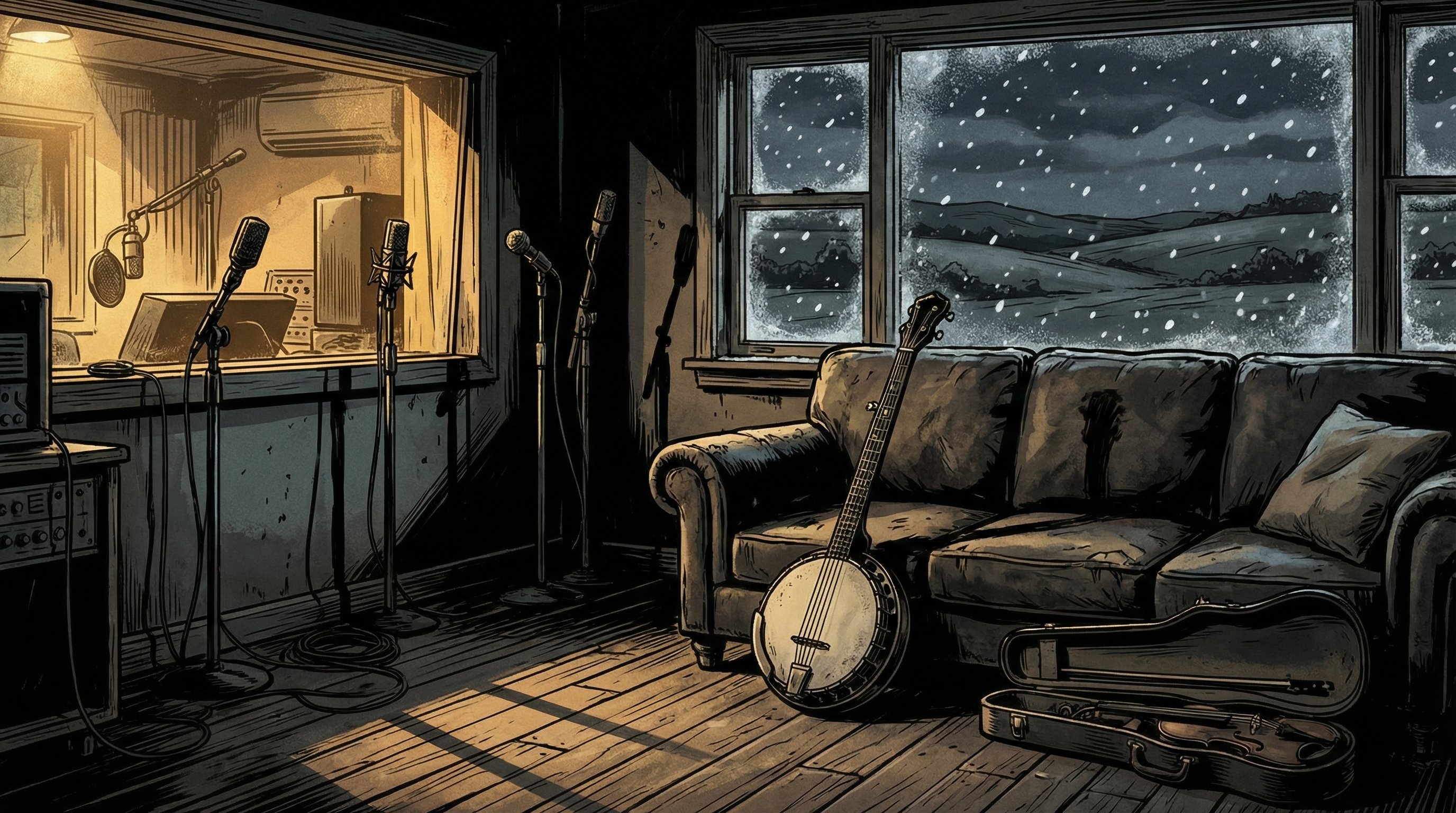
There’s a particular kind of magic that happens when musicians refuse to stay in their lane.
Them Coulee Boys started the way a lot of bands do—two guys goofing around at their day job. The difference? Their day job was running activities at a Bible camp in northern Wisconsin, and somewhere between the campfire songs and craft projects, Soren Staff and Beau Janke realized they could do something more. Another counselor kept joking “them coulee boys are at it again!” when they’d disappear to work on music. The name stuck.
Fast forward to 2026, and that camp joke has evolved into one of the most compelling Americana acts working today. Their fifth album, No Fun In The Chrysalis, dropped February 28 and it’s a masterclass in transformation—both as a theme and as sonic proof of concept.
The Sound Between Labels
Here’s where it gets interesting for anyone chasing punk’s ghost through acoustic music: Them Coulee Boys don’t sound like a punk band. You won’t hear power chords or blast beats. What you will hear is fiddle, pedal steel, banjo, and harmonies warm enough to heat a Wisconsin winter.
But lead singer Soren Staff has been clear about where the heart lives: “Punk isn’t just [the sound], it’s the ethos, too.” The band likes to sing about stuff they believe in. They don’t shy away from the difficult stuff.
That ethos shows up in how they approach the uncomfortable truths of being human. The album’s title track wastes no time dropping the metaphor: transformation hurts. Change is ugly. There’s no fun in the chrysalis—that gooey intermediate stage where caterpillars dissolve into genetic soup before becoming butterflies. Most songs about growth skip that part. Them Coulee Boys set up camp there.
Wisconsin Roots, Unlikely Influences
The band’s musical DNA reads like a genre blender exploded. Beau lists Radiohead, Arcade Fire, and LCD Soundsystem among his influences. Bassist Neil Krause pulls from Cypress Hill, Alice in Chains, and Alkaline Trio. Drummer Stas Hable goes from King Crimson to Kendrick Lamar to Death Grips.
Yet somehow it coheres. Working with Grammy-winning producer Brian Joseph (Bon Iver, Sufjan Stevens) at The Hive studio in their hometown of Eau Claire, they’ve found a way to channel all that disparate energy into something that sounds inevitable rather than forced.
Standout tracks like “Up Close” bring a carnivalesque Southern rock energy, while “Mountains” goes haunting and cinematic with banjo taking the lead. “I Can’t Turn It Off” merges bluegrass with ’60s pop, ping-ponging between frenetic and introspective. The album closer, “I Am Not Sad,” lands somewhere between gospel and defiant affirmation.
The Eau Claire Factor
You can’t talk about Them Coulee Boys without mentioning their hometown. Eau Claire has become a quiet epicenter for sincere, experimental Americana—blame Bon Iver, sure, but the scene runs deeper than any one artist. There’s something in the water (or maybe the coulees) that prioritizes sincerity and hard work over posturing.
Staff describes them as fundamentally a “live band” that exists to make shows feel special. That’s a punk sentiment wearing bluegrass clothes. The music serves the moment. The moment belongs to the room.
Why This Matters
In an era where genre labels have become increasingly meaningless, Them Coulee Boys represent something worth paying attention to: musicians who absorbed punk’s permission to break rules and applied it to a completely different toolkit.
The result isn’t folk-punk or cowpunk or any hyphenated compromise. It’s just music made by people who believe in what they’re singing, recorded in a place that values that belief, delivered to anyone willing to sit with the uncomfortable parts.
No Fun In The Chrysalis is available now. The band is touring through 2026, including upcoming dates at City Winery Pittsburgh and Turf Club in St. Paul.
What’s your favorite example of punk ethos showing up in non-punk music? Drop some recommendations—I’m always hunting for that energy in unexpected places.
Sources: