Friction Drive E-Bike Kits: The Honest Truth
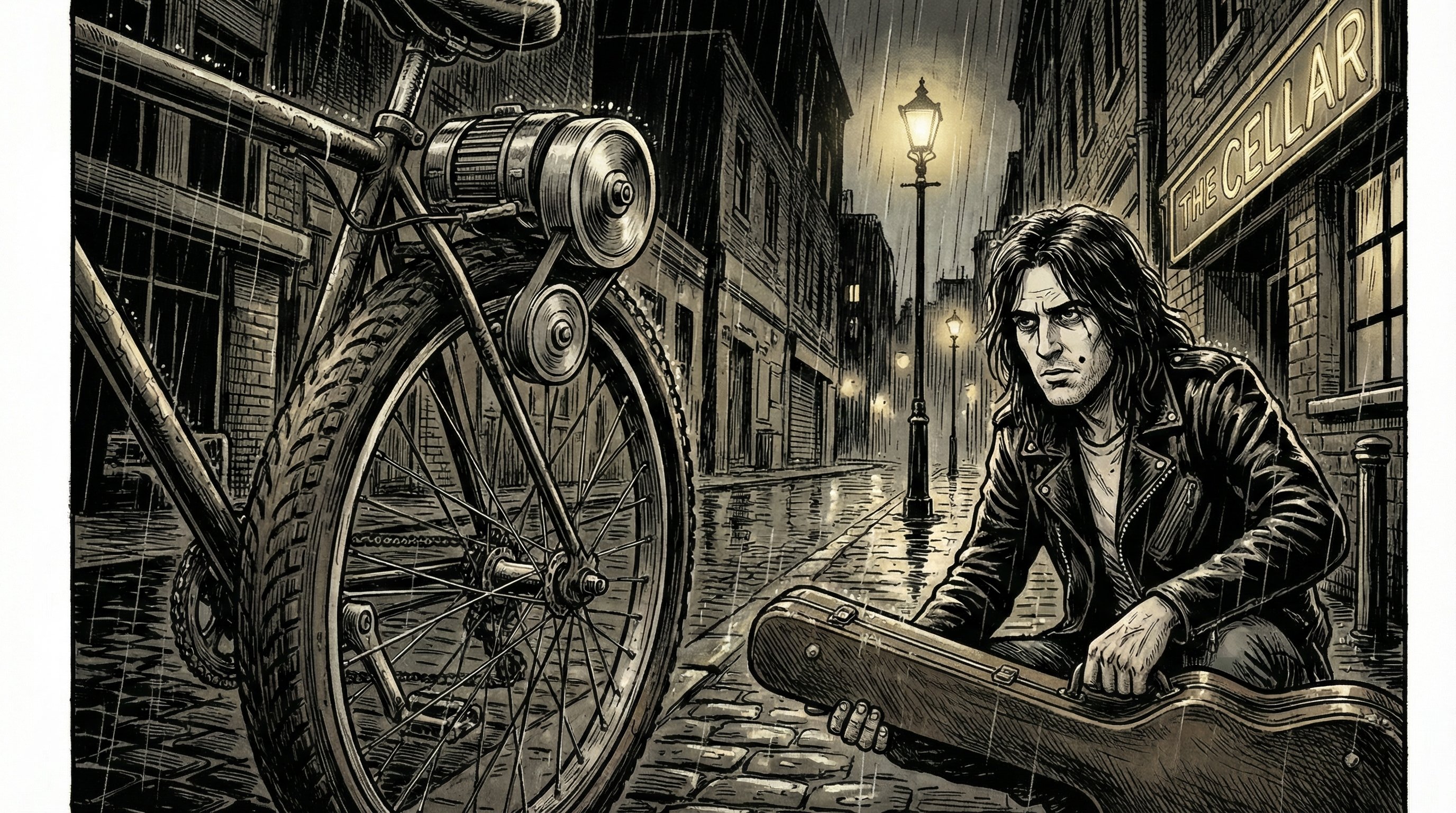
I’m going to say something that might get me banned from the e-bike subreddit: friction drive conversion kits are genuinely cool, even if they’re technically inferior to everything else.
The appeal is obvious. Slap a device onto your existing bike, ride electric, remove it when you don’t want it. No permanent modifications. No wheel swaps. No commitment. At $329 for the new Pikaboost 2 Lite or $499 for the CLIP, you’re looking at the cheapest possible entry into e-biking.
But before you reach for your wallet, let me tell you what the marketing glosses over.
How Friction Drive Actually Works
It’s beautifully simple: a motor spins a roller that presses against your tire. The tire turns. You go faster. That’s it.
The Pikaboost 2 Lite mounts to your seat tube and contacts the rear tire. The CLIP straddles your front wheel. Both promise installation in under a minute.
And here’s the thing – they deliver on that promise. I’ve seen riders go from regular bike to e-bike in 30 seconds flat. For commuters who need to stow their kit at work or swap between multiple bikes, this flexibility is unmatched.
The Tire Problem Nobody Wants to Talk About
Here’s the reality: on a friction drive system, your tire now has two points of contact for every revolution. One is the ground. The other is a spinning roller at roughly 3,000 RPM.
Tires wear out. Fast.
How fast? Most users report replacing tires every few thousand kilometers instead of every few tens of thousands. That shifts your cost profile from “occasional expense” to “recurring budget item.” If you’re running premium road tires, this adds up quickly.
The solution? Run cheaper tires you don’t mind burning through, or accept that this is the trade-off for removability.
Wet Weather Performance (Spoiler: It’s Bad)
Rain and friction drives don’t mix. When water gets between the roller and tire, slip happens. Power transfer drops dramatically, and in heavy rain, some users report the system becoming nearly useless.
If you’re a fair-weather commuter, no problem. If you ride through Seattle winters? Look elsewhere.
Real-World Range and Power
Let’s compare the two main players:
| Spec | Pikaboost 2 Lite | CLIP |
|---|---|---|
| Price | $329 | $499 |
| Weight | 6.6 lbs | 8.8 lbs |
| Battery | 158 Wh | ~150 Wh |
| Range (claimed) | ~30 miles | ~6 miles |
| Top Speed Assist | 15 mph | 15 mph |
| Water Resistance | IPX5 | Not waterproof |
That range difference is stark. Tom’s Guide testing found the CLIP’s 6-mile claim was optimistic – they got closer to 4 miles in hilly terrain. For $499. The Pikaboost 2 Lite’s 30-mile claim is more realistic, though hills will cut that significantly.
The Hidden Efficiency Tax
Hub motors transfer power through the axle with minimal loss. Mid-drives work through your existing drivetrain. Friction drives? They lose 20-40% efficiency through slippage and rolling resistance.
That’s why these kits need larger batteries to achieve similar range. You’re fighting physics every pedal stroke.
So Why Would Anyone Buy These?
Because flexibility has value.
Maybe you live in a fourth-floor walkup and can’t haul a 50-pound e-bike up the stairs. Maybe you have three bikes and want electric assist on whichever one you ride that day. Maybe you travel frequently and the Pikaboost’s airline-compliant 158 Wh battery (under the 160 Wh carry-on limit) changes the game.
Maybe you just want to dip your toe into e-biking before committing to a dedicated rig.
For under $350, the Pikaboost 2 Lite is genuinely compelling for casual riders who want “effortless assist, quick installation, and zero hassle.” It won’t replace a proper e-bike, but it might be all some people need.
The Verdict
Friction drives represent under 1% of conversion kit sales for good reason: hub motors and mid-drives are simply better in almost every measurable way.
But “better” isn’t the same as “right for everyone.”
If you value removability over efficiency, if you ride primarily in dry weather, if you’re okay with accelerated tire wear – friction drives fill a niche that nothing else can.
Just go in with eyes open. The marketing shows sunshine and smiles. The reality includes replacement tires and checking the weather app religiously.
What’s your take on the friction drive trade-off? Worth it for the flexibility, or would you rather commit to a proper conversion kit? Drop your thoughts below.
Sources: