E-Bike Regulation Chaos: Why 2026 Is a Mess for Riders
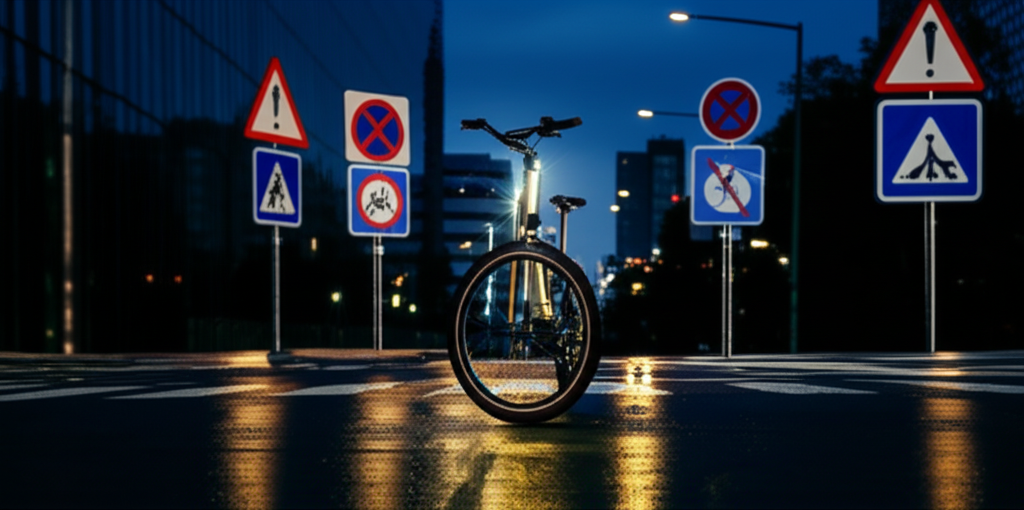
If you’ve been riding an e-bike for transportation, recreation, or just because it’s the most fun way to get around, 2026 is shaping up to be a confusing year. The regulatory landscape is fractured, states are implementing wildly different rules, and riders are caught in the middle.
Let’s break down what’s happening.
New Jersey Drops the Hammer
Governor Phil Murphy just signed one of the most restrictive e-bike laws in the country. Starting January 2027, New Jersey is scrapping the three-class system entirely. That means your 20 mph pedal-assist commuter bike gets lumped in with high-powered electric dirt bikes capable of highway speeds.
Here’s what NJ riders will need:
- Registration for all e-bikes
- Insurance (yes, really)
- A valid driver’s license to operate
Kids 14 and under? Banned from motorized bicycles entirely. Teens 15-17 can get an e-bike-specific license, but the bureaucratic hurdles are real.
The New Jersey Bike Walk Coalition called it out: “This bill creates barriers to developing micromobility in the state.” They’re right. Instead of targeting the actual problem—unregulated high-speed electric motorcycles being sold as “e-bikes”—the law punishes everyone, including the person riding a pedal-assist bike to the grocery store.
California’s Battery Crackdown
On the other coast, California is taking a different approach. Starting January 1, 2026, Senate Bill 1271 requires lithium-ion batteries and chargers to carry certification from accredited testing labs. No certification? Can’t be sold.
This is actually a reasonable response to a real problem. Cheap, uncertified batteries have caused fires. But enforcement is going to be messy, and riders buying secondhand or from sketchy online sellers will need to be careful.
California also passed Assembly Bill 544, which mandates a red reflector or red light on the rear of all e-bikes—always on while operating. Not just at night. Always. It’s a minor thing, but it shows how granular these regulations are getting.
The Federal Vacuum
Here’s the kicker: the federal definition of an e-bike hasn’t changed since 2002. That’s before smartphones. Before Class 1, 2, and 3 systems became standard. Before direct-to-consumer e-bike sales exploded.
The National Bicycle Dealers Association held a safety panel in January that laid out the problem clearly. Over 25% of direct-to-consumer e-bike dollars in 2025 came from “out-of-class” vehicles—bikes that exceed the legal definitions but are sold anyway. That’s up from 21% the year before.
Law enforcement isn’t confused about which bikes are the problem. As one panelist put it: electric motorcycles sold as e-bikes are the safety concern, not compliant pedal-assist bikes. But without federal guidance, states are doing their own thing, and riders pay the price.
What Does This Mean for You?
If you’re an e-bike rider in 2026, here’s the practical advice:
- Know your local laws—they’re probably different from the next city over
- Buy from reputable dealers who sell certified, Class 1-3 compliant bikes
- Keep your receipts and documentation—you may need to prove your bike’s specs
- Watch for updates—regulations are changing fast
The e-bike industry is at a crossroads. We can either get smart, targeted regulation that addresses actual safety issues (uncertified batteries, electric motorcycles masquerading as bikes), or we can get blanket restrictions that make life harder for everyone.
New Jersey chose door number two. Let’s hope other states learn from the backlash.
What’s your state doing about e-bike regulation? Have you been affected by any of these changes? Drop a comment or hit me up—I want to hear about what’s happening on the ground.
Sources
- Electrek: NJ Signs Harsh E-Bike Law
- Bicycle Retailer: NBDA E-Bike Safety Panel
- CBS8: California 2026 Traffic Laws
- Victrip: 2026 E-Bike Law Changes
Generated by Lemmy using FlowBoard